

April is Alcohol Awareness Month
In 1987, the advocacy organization National Council for Alcoholism and Drug Dependence (NCADD) established Alcohol Awareness Month, held annually in April. The nationwide observance is a time to raise awareness and understanding of alcohol use and alcohol use disorder, educate about treatment and recovery pathways, and address stigma that people with AUD often face.
Alcohol is a big part of our culture in the U.S., as well as cultures across the world. It is woven into our daily lives—it is part of our celebrations, our weekends, and our meals. For some, it signifies a special occasion, but many people consume some amount of alcohol each day. What does this mean for our health and wellbeing?
We know that drinking even small amounts of alcohol can hurt your health. People often think of liver disease when they think about medical complications from alcohol, but it can also affect your heart, blood pressure, and kidneys as well as increase your cancer risk for certain types of cancers, including breast and colon cancer. While the idea that having a drink can “take the edge off” of stressful days or social situations is common, the truth is that drinking over time and drinking more can impact your mental health and cause more stress, anxiety, and depression later. And for some, drinking alcohol can lead to alcohol use disorder, seriously impacting their health and relationships.
What is alcohol use disorder?
AUD is a chronic medical condition in which people have less control over their drinking even if they experience social, professional, or health consequences. You might hear AUD called alcohol abuse, alcohol dependence, alcohol addiction, or alcoholism. AUD can be mild, moderate, or severe, depending on how many symptoms of the disorder a person has. Some signs of drinking too much include:
- Spending a lot of time drinking or thinking about alcohol
- Drinking more or longer than you intended
- Drinking interferes with your daily activities, relationships, or work
- Continuing to drink even though it makes you feel depressed or anxious—or adds to another health problem
- People in your life have made comments about your drinking
- You try to cut down or stop drinking, but are not able to
Your risk of developing AUD is partly dependent on how much and how quickly you drink alcohol, including binge drinking. Other factors that make it more likely that you might develop AUD are drinking alcohol at an early age, having a family history of AUD, having mental health conditions like depression, and having a history of trauma.
Like all substance use disorders, AUD and people with AUD are heavily stigmatized. AUD is often framed as a person’s lack of willpower, a choice, or bad decisions. Stigma can delay or stop people from getting help because they fear judgement or because they internalize the belief that their condition is a matter of character and personal failing (self-stigma). Understanding AUD as a chronic medical condition that is treatable and knowing that there are evidence-based treatments available can lessen stigma and increase people’s access to treatment and recovery services.
Words matter. Why do we say “alcohol use disorder” versus “alcohol abuse,” or “person with alcohol use disorder” instead of “alcoholic?” The words we use can help or hurt. Changing our language can be a start to reducing stigma. This guide from Boston Medical Center can help you replace stigmatizing language.
Alcohol use disorder is treatable, and change is possible.
You might be familiar with self-help or 12-step groups for AUD, but did you know there are also medications that can help you stop drinking or help you drink less? There are three FDA-approved medications to treat AUD: acamprosate, disulfiram, and naltrexone. These medications can be used alone, or they can be used with behavioral treatments, like counseling, or self-help/12-step programs. They can be used short-term, long-term, or for your whole life, depending on what you need or prefer. Learn more about medication for addiction treatment (MAT).
Hope is here. The Helpline can help you take the first step. Call or text ‘HOPE’ to 800.327.5050 or chat with us online to learn more about your options.
Recovery is an ongoing process, and setbacks can be part of that process. Having a strong supportive community can help people stay in recovery from AUD and avoid or address recurrence of use. Besides self-help/12-step groups like Alcoholics Anonymous or SMART Recovery, you can build your community through Peer Recovery Support Centers, recovery coaches, and by surrounding yourself with supportive people. MAT can also help you maintain recovery. You might find other ways to help you support your recovery like faith, therapy, sports, meditation, or anything else that helps keep you feeling healthy.
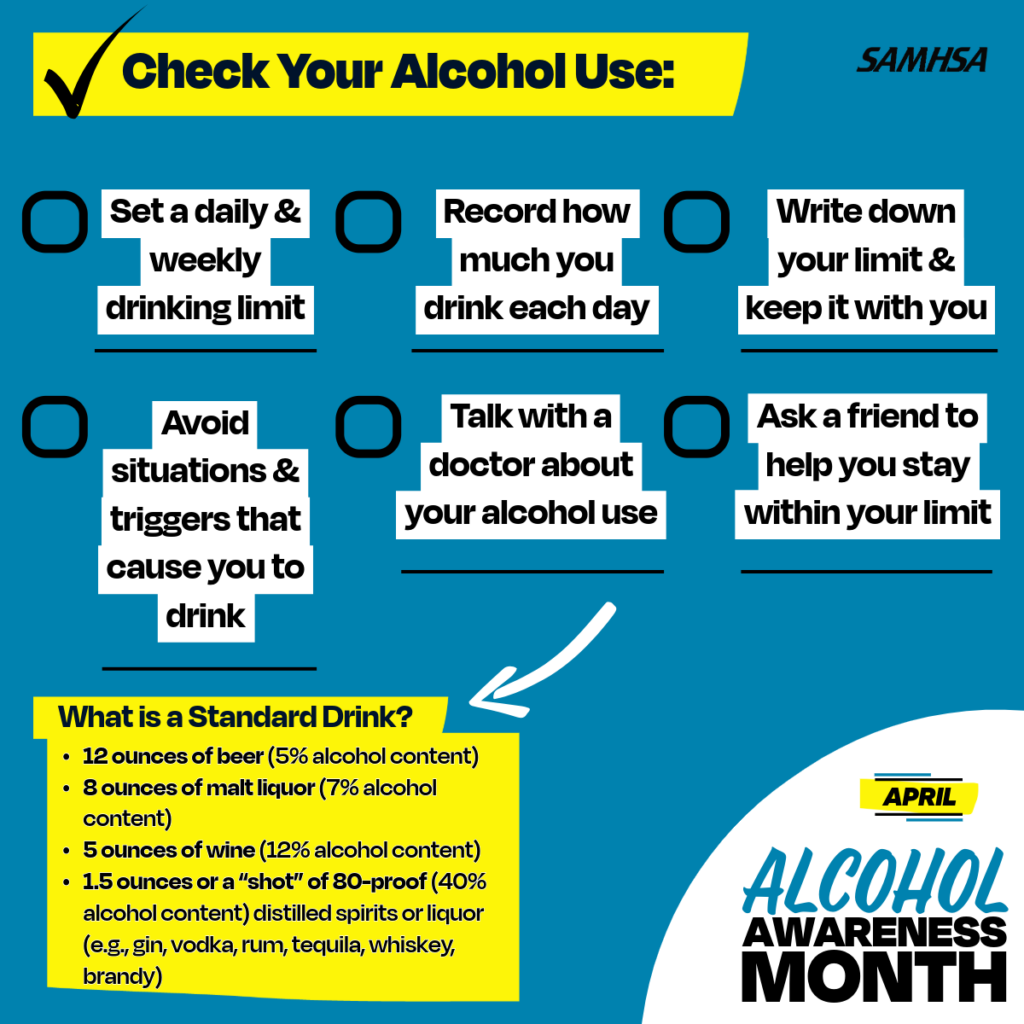
What about safer alcohol use?
If you’re not ready for treatment, or you’re thinking about cutting back, there are some strategies you can use to help you stay safe while you’re drinking alcohol, such as eating before you drink, deciding how much you’re going to drink, alternating alcoholic drinks with water or other nonalcoholic drinks, and having a safe way to get home if you are out. If you are thinking about cutting down the amount of alcohol you drink, you can find some strategies on the Rethinking Drinking website.
Learn more about how drinking alcohol affects your risk for developing chronic illnesses from Canadian Centre on Substance Use and Addiction.
Be safe. Talk to a doctor before making any changes to your drinking so they can help you avoid dangerous withdrawal symptoms.
Support for families and loved ones
AUD affects families and loved ones, too. If you’re concerned about your loved one’s alcohol use, you can take steps to help your loved one, your family, and yourself. Learn how you can support your loved one and know that there is support for you, too. You might find it helpful to join a peer support group like Al-Anon or Learn2Cope, an advocacy group, or a learning community like the Helpline Champions.